The first 24 hours after a water loss decide how bad the damage gets. Here is what Ventura County homeowners and business owners should do — and what to avoid — before anything else.
The first 24 hours after a water loss decide how bad the damage gets. Move fast and you save drywall, flooring, framing, and thousands of dollars. Wait a day and mold starts growing, wood starts warping, and the cost of the job doubles. Here is exactly what to do, in order, and what to stop doing right now.
1. Stop the Source — If You Can Do It Safely
Before anything else, cut off the water. For a burst pipe or failed water line, turn off the main water shutoff — usually near the front hose bib or where the service line enters the home. For an overflowing dishwasher, washing machine, or toilet, shut off the dedicated valve behind or below the appliance. For a water heater leak, shut the cold-water supply at the tank.
Never step into standing water if there is any chance electricity is live nearby. If water has reached outlets, panels, or appliances, kill the breaker before you walk in. If the source is a roof leak during a storm, get a tarp on the roof once the rain lets up — not during active lightning or high wind.
2. Document Everything With Photos Before You Touch It
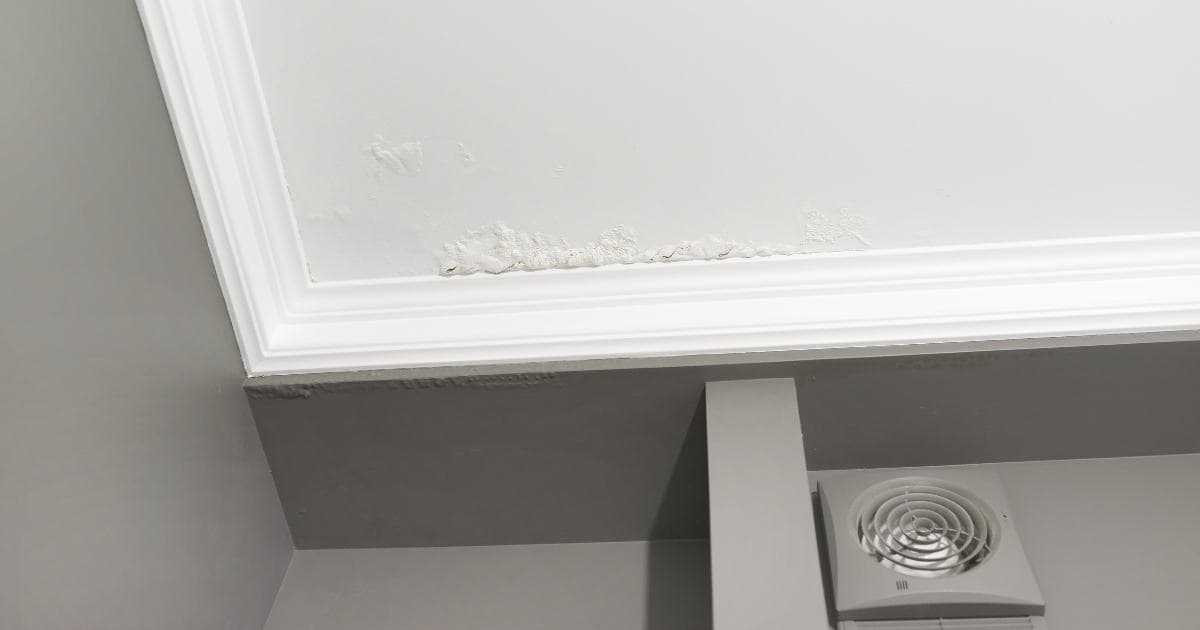
The single most common mistake homeowners make is cleaning up before documenting. Your phone camera is your best friend for the next 30 minutes. Take wide shots of every affected room. Take close-ups of the standing water, the damaged baseboards, the saturated carpet, the buckling drywall. Open cabinets and take photos inside. Photograph the source — the pipe, the appliance, the ceiling stain — and any contents that got soaked.
This documentation is the foundation of a strong insurance claim. Adjusters work from evidence. Photos taken before mitigation carry more weight than photos taken after. Video is even better — walk through the affected area narrating what you see. Dates, times, and rooms. If you have the Xactimate-style instinct to measure, note the approximate square footage of affected flooring, the height of the waterline on the walls, and anything that already looks unsalvageable.
3. Call a Restoration Company Before You Call Your Insurance
This is the advice most homeowners do not hear until it is too late: call a professional restoration company for a free inspection before you open the claim with your insurance carrier. Understanding the full scope of damage — hidden moisture, Category of water, affected materials — puts you in a stronger position when you file. You avoid lowball initial estimates, missed secondary damage, and "we didn't see that on the first visit" disputes later.
Heartland uses Xactimate to document scope, which is the format California insurance adjusters prefer. That means your claim shows up in a language your insurer already speaks. Under California law, the homeowner chooses the restoration contractor — no one can force you to use the insurer's preferred vendor. Call Heartland's water damage team at 805-219-6732 before the insurance conversation.
4. Understand What Kind of Water You're Dealing With
Not all water losses are the same. The IICRC S500 standard — the industry's governing document for water damage restoration — classifies water losses in three categories. Which category you have changes how the job must be handled.
- Category 1 — Clean water. Burst supply line, broken dishwasher inlet, an overflowing tub with clean water. Low risk if dried quickly. Still requires proper drying, not just mopping.
- Category 2 — Gray water. Washing machine discharge, dishwasher drain water, overflowing toilet without solids. Contains contaminants that require antimicrobial treatment and selective material removal.
- Category 3 — Black water. Sewage backup, ground flooding, toilet overflow with solids, or any Category 1 or 2 water left untreated for more than 48 hours. Requires full PPE, containment, and removal of all porous materials in contact with the water.
A restoration technician will assign the category onsite within minutes. The wrong call here is expensive. Category 3 treated as Category 1 leaves pathogens in the home.
5. Know That Mold Starts Within 24 to 48 Hours
The EPA and IICRC are both unambiguous on this: mold can begin growing within 24 to 48 hours of water intrusion when materials stay wet. That timeline is why speed matters. Drywall, insulation, carpet padding, and subflooring are all porous — once saturated, they hold moisture for days without proper drying. Household fans blowing across wet surfaces do not get materials below the moisture threshold mold needs to spread. Industrial dehumidifiers and air movers, deployed with moisture meters and infrared cameras, do.
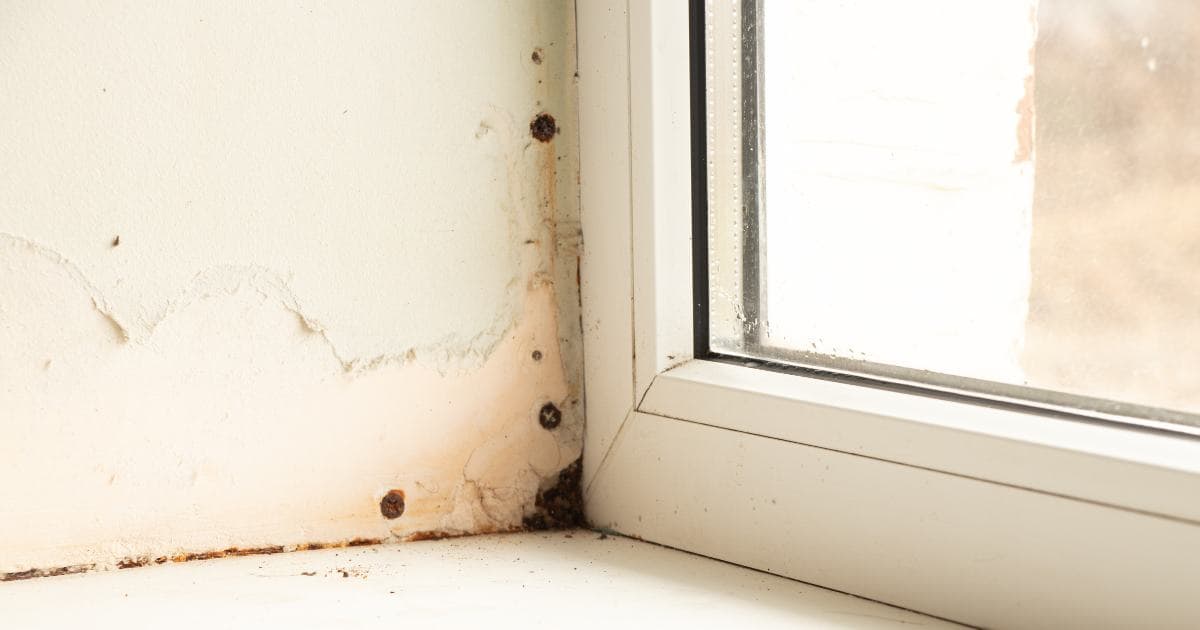
Mold inside walls and under flooring is invisible until the smell shows up weeks later — at which point the remediation scope has multiplied. Drying fast is how you prevent that scenario.
6. What Not to Do in the First 24 Hours
- Do not rely on household fans alone. They dry the surface and leave the structure wet.
- Do not walk on wet carpet or wet hardwood unnecessarily. You crush fibers and spread contamination.
- Do not lift wet rugs or furniture onto dry floors. You transfer saturation into new materials.
- Do not turn on the HVAC system if ductwork is near the affected area. You distribute moisture and contaminants through the whole house.
- Do not wait to see if it "dries on its own." It will not. Within 48 hours you have a bigger job on your hands.
- Do not throw anything out before documenting it. Damaged contents are part of the claim.
- Do not sign a work authorization with the first "preferred vendor" who shows up. Get an independent inspection first.
7. Ventura County — Local Conditions That Make Water Damage Worse
Coastal humidity across Ventura, Oxnard, Port Hueneme, and Carpinteria keeps materials from drying naturally. Marine-layer moisture during May and June slows passive drying to a crawl, which is why mechanical drying is not optional in coastal neighborhoods.
Older housing stock in Santa Paula and Fillmore carries its own issues. Galvanized supply lines from the mid-century era corrode from the inside out, and cast-iron drain stacks crack at their joints. Sudden pipe failures in homes built before 1970 are one of the most common water loss causes we respond to in these communities. If your home fits that profile, a proactive check of the shutoff valve and a walk-through of accessible plumbing can pay for itself.
8. Why Industrial Drying Matters More Than You Think
A typical bathroom fan moves roughly 50 cubic feet of air per minute. A professional air mover moves 2,500 to 3,500. A household room dehumidifier pulls 20 to 30 pints of moisture per day. A commercial LGR dehumidifier pulls 120 to 240 pints. The math is not subtle. You cannot dry a saturated wall cavity or a 400-square-foot flooded room with what is available at the hardware store in any reasonable timeframe.
Beyond equipment capacity, technicians place air movers at the correct angle to wet surfaces, balance dehumidifier placement so the whole space is drying at once, take moisture readings twice a day, and confirm dry-down against an unaffected baseline. None of that happens with a household fan pointed at a puddle. Lingering odor after a water loss almost always traces back to incomplete drying.
Dealing With This Now?
Heartland offers free estimates across Ventura County. Call 805-219-6732 or submit a request online.
Frequently Asked Questions
How soon does mold grow after water damage?
Mold can begin growing within 24 to 48 hours of water intrusion if materials are not properly dried. That timeline comes from EPA and IICRC guidance, and it is the reason professional drying is a time-sensitive job, not a weekend project.
Should I call insurance or a restoration company first?
Call a restoration company first for a free inspection. Understanding the full scope of damage — including hidden moisture and water category — before you open the claim gives you stronger documentation and a clearer picture of what to file. Heartland documents every job in Xactimate, the format insurance adjusters prefer, so the claim moves faster once submitted.
Can I dry water damage myself?
For a very small Category 1 loss — a cup of water on hardwood caught in the first minutes — mopping and ventilating may be enough. For anything larger, anything involving drywall or carpet, or anything where water has been present for more than an hour, household equipment cannot keep up. Materials stay wet long enough for mold to start, and the job you were trying to avoid becomes the job you have to pay for later.
What documents do I need for an insurance claim?
Photos and video of the damage before any mitigation, your insurance policy number, the date and time the loss occurred, a description of the cause (burst pipe, roof leak, appliance failure), and the restoration company's scope of work documented in Xactimate. If the cause is a product failure, keep any paperwork, receipts, or parts for evidence.
How long does water damage restoration take?
Every job is different. Structural drying alone typically takes three to five days with proper equipment. Removal of unsalvageable materials, antimicrobial treatment, and rebuild can extend the timeline to weeks depending on scope. A Heartland technician will give you a realistic schedule after the onsite evaluation — no moving targets.